Yes, covering strawberries with straw for the winter makes sense.😄
Continue reading “Does Straw Mulch Make Sense for Winter Strawberry Protection? A Match Made in Winter Heaven”
Organic Strawberries? Easier Than You Think!
Having your own vegetable garden or berry plants is not only a great form of outdoor activity but also an excellent way to enjoy fresh, healthy produce. One of the popular choices for many gardeners is strawberries. Why is it worth having your own strawberries? Here are a few positive aspects of having your own strawberries in the garden:
A Wonderful Lesson for Children
Having your own strawberries in the garden can also be an excellent learning opportunity for children. We can teach them about the processes of growth and development of plants, the importance of caring for plants, observing changes in the garden and nature, etc.
Freshness and Taste
The main benefit of having your own strawberries is the ability to consume fresh fruits straight from the garden. Strawberries that are picked and eaten on the same day retain their full flavor and aroma. This experience is irreplaceable compared to store-bought strawberries, which often have to go through a long transportation process.
Control over Quality
Having your own strawberry plants gives full control over the cultivation and protection methods we use. We can avoid artificial fertilizers, pesticides, and herbicides that may be used in commercial plantations. We can also opt for organic cultivation, using natural plant protection methods.
Saving Money
Having your own strawberry plants can be cost-effective in the long-term perspective. Purchasing plants and their care can be cheaper than regularly buying fresh strawberries in the store, especially during the season when prices are high. Additionally, we can also collect and store seeds from our own strawberries to propagate plants for the following years.
Variety of Varieties
When buying strawberry plants, we have a wide choice of different varieties available on the market. We can choose from early, late, larger or smaller fruits, of different colors and tastes. This allows us to tailor our crops to our culinary and aesthetic preferences.
What is the optimal spacing for planting strawberries in containers or pots?
Planting strawberries in containers or pots is a great way to cultivate these plants, especially if you have limited space. Here are some tips on planting density:
Continue reading “What is the optimal spacing for planting strawberries in containers or pots?”
Transition in Growing Strawberries: What Crops to Avoid and Best Pre-Crops?’
Indeed, it has been proven that there is a correlation between the preceding crop and the height and quality of strawberry yields.
Some strawberry varieties are easily infected by the fungus Verticillium dahliae, the cause of a dangerous root system disease – verticillium wilt.
Therefore, strawberries should not be planted after plants that, due to their susceptibility to this pathogen, may cause its accumulation in the soil. These include blackberries, raspberries, currants, potatoes, tomatoes, cucumbers, as well as cruciferous plants and, of course, strawberries themselves.
Good preceding crops are legumes such as lupin, peas, beans, vetch, onions, and root vegetables like carrot, parsley, celery, beet.
The perfect preceding crops are cereals, rapeseed, mustard, and notably: marigold. Mustard and marigold are especially effective due to their phytosanitary impact on the soil, helping to combat pathogenic fungi such as Verticillium, Phytophthora, Fusarium, and even dangerous soil nematodes.

Which Strawberry Varieties Perform Best in Tunnel Cultivation?
Growing strawberries in polytunnels is an excellent way to extend the harvest season and protect the plants from adverse weather conditions and pests. For amateur, home cultivation in polytunnels, it’s particularly suitable to choose varieties that are disease-resistant and have good taste properties. Here are a few strawberry varieties that may prove successful in this type of cultivation:
‘Honeoye’: An early variety known for its hardiness and abundant harvests. ‘Honeoye’ strawberries are quite attractive in taste and appearance. Plants of this variety thrive very well in the tunnel.
‘Elsanta’: A very popular variety valued for its large, juicy fruits with excellent taste and appearance. ‘Elsanta’ responds exceptionally well to tunnel cultivation.
‘Clery’: A very early variety yielding sweet, aromatic fruits. ‘Clery’ is also relatively disease-resistant, making it just right for tunnels.
‘Korona’: This variety is known for its large, tasty fruits. ‘Korona’ adapts well to various conditions and is relatively easy to cultivate, even under covers.
Vibrant: A very early variety with long fruiting (up to 60 days) and beautiful, delicious fruits. An excellent choice to plant in a tunnel.
‘Kent’: Characterized by tasty, vividly red fruits with exceptional post-harvest durability. This very fruitful variety is resistant to gray mold and begins to fruit very early in tunnel cultivation.
‘Aprica’: Valued for its tasty and extremely attractive fruits, which are large, shiny, and durable. A fruitful variety that is resistant to many diseases of the leaves and root system, and it loves to grow in a tunnel.
‘San Andreas’: A repeat-flowering variety distinguished by large, shiny, and extremely tasty fruits. In tunnel cultivation, San Andreas fruits from the end of May to late autumn.
‘Ania’: Similar to San Andreas, it fruits from spring until the first frosts. This variety features large, oval, highly shiny, and extremely sweet fruits. Thanks to its relatively high resistance to many diseases, it is quite easy to cultivate, even in tunnels.

Ants in the Garden. How to Fight These Uninvited Guests? Ecological Methods
Ants in the garden can be a problem; however, there are several effective ways to deal with these unwelcome guests while maintaining an environmentally friendly approach:
1. Vinegar:
Spray a solution of vinegar and water (in a 1:1 ratio) in places where you see ants. Vinegar is a natural deterrent.
2. Baking soda and powdered sugar:
A mixture of baking soda with powdered sugar can be effective, as ants are attracted to the sugar, and the baking soda kills them after ingestion.
3. Cinnamon:
Sprinkle cinnamon in places where you notice ants. It is a natural repellent.
4. Lemon solution:
Spray areas where ants gather with a solution of water and lemon juice. The acidic smell repels ants.
5. Diatomaceous earth:
This is a natural, non-metallic mineral powder that is effective in combating ants, acting as a desiccant.
6. Cucumber peel pieces:
Placing them in areas where ants gather can help deter them.
7. Crawling plants:
Some plants, such as mint, lavender, or basil, act as natural ant deterrents.
8. Sealing entrances:
Block all potential entrances for ants into the home, including cracks in walls and around windows.
9. Regular cleaning:
Removing food residues and maintaining cleanliness in the garden will help discourage ants.
10. Water barrier:
If you have outdoor pots, you can place them in a bowl of water, creating a barrier that ants cannot cross.
Remember that ants play an important role in the ecosystem, helping in the decomposition of organic matter and soil aeration. Sometimes the best strategy is simply to maintain balance and avoid excessive ant control unless they become a serious problem.
Should You Remove Strawberry Blossoms After Planting?
Removing flowers from strawberry plants is recommended for spring planting.🍓🌱
Continue reading “Should You Remove Strawberry Blossoms After Planting?”
Snails in strawberries. What to do? How to fight them?
Slugs can be a problem in strawberry cultivation, as these soft, moisture-loving creatures often feed on the leaves and fruits. There are several methods of combating slugs in strawberry crops that can be applied:
Physical Barriers:
Spread materials around the strawberries that make it difficult for slugs to move, such as ash, sand, fine gravel, or eggshells. Slugs do not like to squeeze through sharp or rough surfaces.
You can also apply special rings or barriers around the plants, made of plastic or metal.
Traps:
Setting traps for slugs is a popular method. The simplest trap is a bowl of beer, buried in the ground so that its edges are at ground level. Slugs are attracted to the smell of beer, fall into the trap, and drown.
You can also use traps purchased at a garden store.
Manual Collection:
Regularly checking the crops in the evening or early morning (slugs are most active at these times) and manually collecting slugs is a simple, but time-consuming method.
Biological Control:
Using natural predators, such as ground beetles or certain species of birds, can help control slug populations.
Introducing entomopathogenic nematodes, which naturally attack slugs, is another biological control method.
Chemical Means:
Chemical agents, such as slug pellets containing metaldehyde or iron phosphate, are effective but should be used with caution, especially in amateur crops. I personally advise against using these types of preparations, but if you decide to use them (they are effective), always follow the manufacturer’s instructions.
Maintaining Garden Cleanliness:
Removing plant residues, old leaves, and other shelters for slugs will help reduce their population.
Cultivating Repellent Plants:
Planting plants that naturally repel slugs, such as garlic, sage, or plants with a strong scent, near strawberries, can help deter slugs.
Remember to always choose slug control methods that are safe for the environment and do not harm beneficial organisms in your garden. In the case of using chemical agents, always follow the recommendations for their use to ensure that eating our strawberries is safe
Weeds In Strawberries – How To Deal With Them? Natural Methods
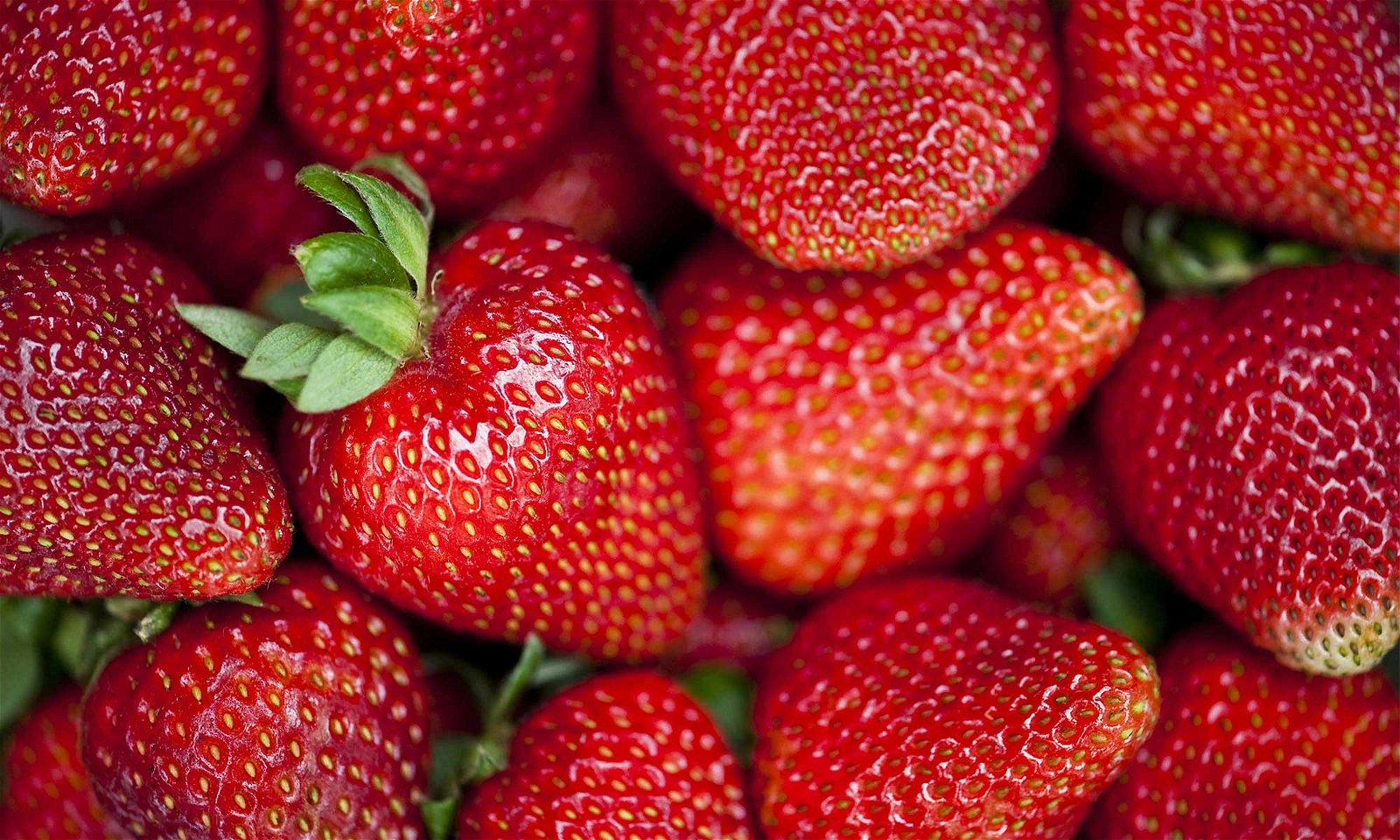
On large production plantations, the standard for combating weeds is the use of herbicides. Unfortunately, many studies indicate that they are not indifferent to our health, which is why I advise against their use in amateur strawberry 🍓 cultivation Continue reading “Weeds In Strawberries – How To Deal With Them? Natural Methods”
Shredded Twigs as Mulch for Strawberries: Feasibility and Benefits?
Of course, you can and definitely should.
Finely ground branches left over from pruning fruit trees can be successfully used as mulch for strawberries🍓 Continue reading “Shredded Twigs as Mulch for Strawberries: Feasibility and Benefits?”


