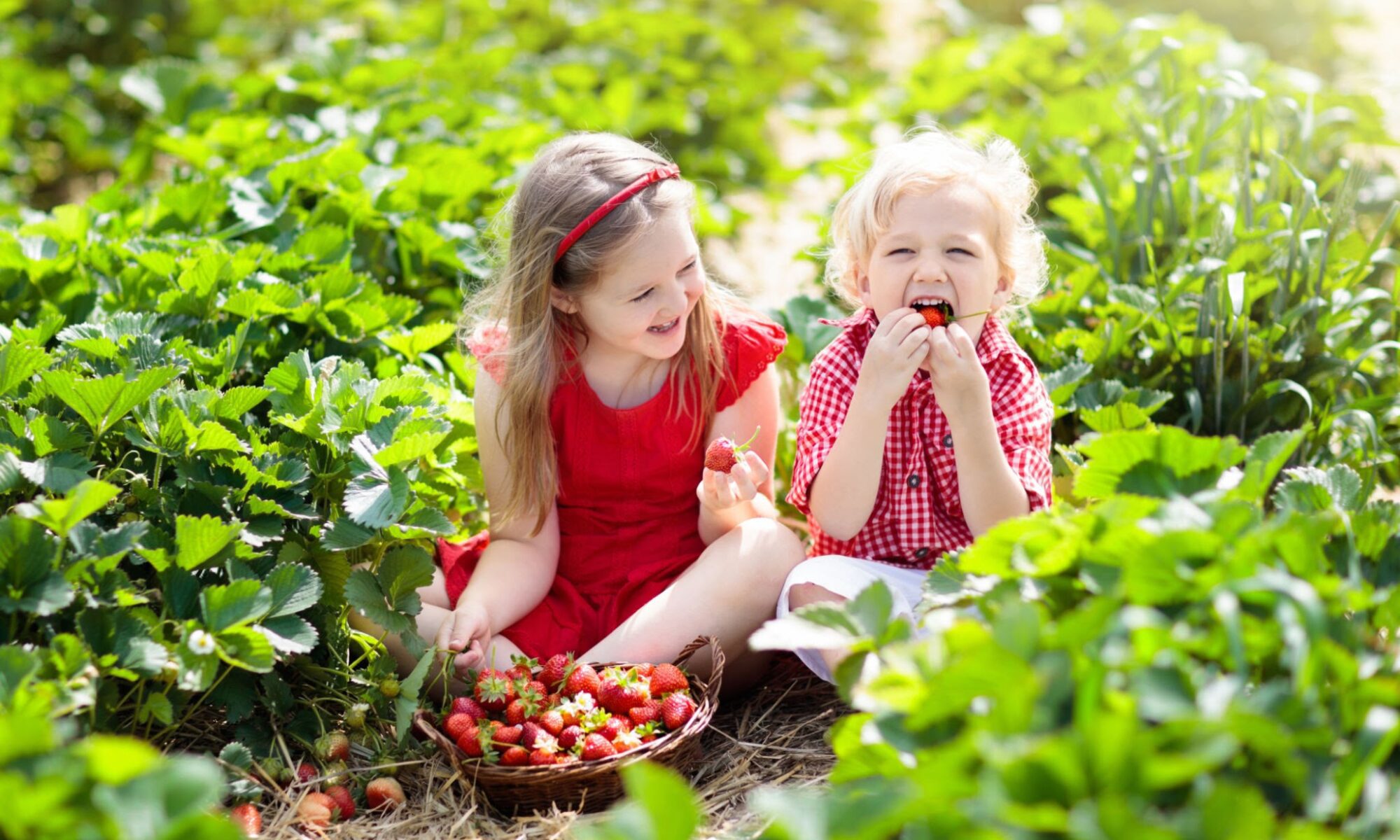
How to Increase Soil Organic Matter? Importance of Organic Matter in Strawberry Production. Organic Matter – the Secret of Bountiful Crops.

It has long been known that humus plays a key role in the soil and in the numerous beneficial processes that occur within it. It is humus that gives the soil a granular structure, promotes moisture retention in the soil, is a source of nutrients for plants, and provides invaluable support for beneficial soil microorganisms.

What can be done to increase the humus content in the soil? It is worth using homemade compost both before planting strawberries and during the vegetation period. Every few years, it is beneficial to spread and dig in old, well-rotted manure in the garden. Mulching strawberries with straw or another organic mass, such as ground branches, also promotes the accumulation of humus in the soil.

Introducing and maintaining the right amount of humus in the soil will allow strawberries to grow healthily and bear fruit abundantly.

Allegedly You Can Give Children Medicine in Strawberries (Strawberry Trick). How Is It Done?

Administering medication to children using strawberries can be an effective way to encourage them to take their medicine, especially if they are picky or have reservations about taking medications. Here are a few ways to do this:

Mixing with Strawberry Puree:
If the medication is in liquid or powder form, it can be mixed with strawberry puree. Make sure the child eats the entire portion to receive the correct dose of medication.

Inserting a Pill into a Strawberry:
If the pill can be swallowed whole, you might try inserting it into the center of a strawberry. Make a small indentation in the strawberry, place the pill in it, and give it to the child. Ensure the strawberry is not too large, so the child can eat it whole.

Making Strawberry Smoothies:
If the medication is in liquid form, you can add it to a strawberry smoothie. This is a good way to disguise the taste of the medication.

Using Strawberry Syrup:
If the medication has an unpleasant taste, you can try to mask it with strawberry syrup. However, this method may not be suitable for all medications, so it is advisable to consult with a doctor.

Remember to always consult with a doctor about the possibility of mixing medication with food, as some medications may interact with certain foods or their ingredients, which could affect their effectiveness. Additionally, always ensure that the child receives the correct dose of medication.

When to Plant Strawberries? Spring vs. Summer vs. Fall

In gardening practice, we distinguish three planting terms for strawberries: spring, summer, and autumn. It’s hard to say which one is the best, as each has its advantages and disadvantages.

Spring Planting:

The most popular is spring planting after the frosts have ceased, usually from mid-March to the end of May. Plants planted at this time benefit from:

  • Large water reserves in the soil, helping them take root without losses.
  • They quickly form a strong root system, showing rapid growth.

While the first crop from spring-planted strawberries may not be abundant, the plants have plenty of time until autumn to:

  • Root deeply and
  • Produce a multitude of flower bud initiations, which will determine the yield in the following year.

Summer Planting:

Summer planting (July or August) is also highly recommended. Key benefits include:

  • Like spring planting, plants have enough time until autumn to establish a strong root system.
  • They also generate many flower bud initiations, typically resulting in a full fruit yield the following year.

Additionally, the period requiring maintenance treatments is shorter compared to spring planting. However, summer planting has its drawbacks:

  • There is often a shortage of strongly rooted seedlings during this time, leading to higher prices.
  • Summer can bring a deficit of water in the soil, necessitating regular irrigation of the plants.

To solve this, we recommend purchasing potted seedlings, which are available at our farm.

In July, we usually offer large quantities of well-rooted seedlings in a full range of varieties.

Autumn Planting:

Autumn planting (September, October) is also common. The main advantage of this period is the availability of strongly rooted seedlings in large quantities. However, late autumn planting comes with a higher risk of the plants freezing during winter, especially for strawberry varieties from warmer regions than Central Europe.

To protect the plants, we recommend using white agrotextile, which will help them survive the winter months.
×