Advice for Fans of Everbearing or Day-Neutral Strawberries

The cultivation of everbearing strawberry varieties differs quite significantly from traditional varieties in some respects. First and foremost, thanks to their unique vegetation cycle, the fruit harvesting period is extended not by weeks, but by several months!

Soil requirements for everbearing varieties are similar to those for traditional varieties:

  • The soil should be warm, fertile, and permeable.
  • pH levels should be regulated between 5.5-6, with a maximum of 6.5.
  • It is crucial to plant in well-cultivated soil free from troublesome weeds like couch grass, thistle, and horsetail. These weeds, known as perennials, should be eradicated before planting.

In terms of climatic requirements, many everbearing varieties originate from warmer climates, so it’s advisable to cover them during winter with white agrotextile.

Planting Tips:

  • Plant everbearing strawberries early in the spring to allow them to produce 4 to 5 fruit sets by the end of the season.
  • Remove the first flower stalks (from the previous year), which are not significant for yield. This helps the plants form a strong root system and leads to larger fruit sets later.

Fertilization Needs:

Everbearing varieties require more frequent feeding throughout the fruiting period with:

  • Small doses of multi-component fertilizers.
  • Fertilizers specifically designed for strawberries.

Weed Control:

  • Regular weeding and hoeing are essential.
  • Cutting out runners is critical for maximizing yield.

Disease and Pest Control:

In commercial plantations, chemical protection is often used, but I recommend avoiding these products in amateur cultivation. Instead, opt for biopreparations, which are equally effective and safe for health.

Winter Protection:

As mentioned, everbearing strawberries, bred in warmer climates like California, Italy, and Spain, need winter covering with white agrotextile. However, do not rush to cover them—wait until the soil freezes and the plants enter their dormancy period.

Visit our store for:

  • Fertilizers designed for strawberries
  • White and black agrotextile
  • Ecological plant protection products (biopreparations)

Strawberry Plants as a Cure for Anorexia: Fact or Fiction?

Strawberries: A Supportive Role in Anorexia Treatment

While strawberries are a healthy and tasty fruit, they are not a cure for anorexia. Anorexia is a serious eating disorder that requires a professional therapeutic approach, including medical, psychological, and dietary support. However, strawberries can play a supportive role in the treatment process for several reasons:

Easing Psychological Barriers to Eating

Strawberries can be perceived as less intimidating for people with anorexia due to their taste, color, and texture, which may help break down psychological barriers associated with eating.

Rich in Nutrients

They are a source of vitamins and minerals, which is crucial in the diet of individuals with anorexia, who often suffer from nutritional deficiencies.

Stimulating Appetite

Tasty and attractively looking fruits can slightly stimulate appetite, which is important in the treatment process of anorexia.

Supporting Overall Health

Thanks to their antioxidant and vitamin content, strawberries can contribute to improving overall health conditions.


Despite these potential benefits, the treatment of anorexia should always be supervised by specialists. Strawberries, or any other single food, cannot replace a comprehensive treatment plan for anorexia, which should include an individually tailored diet, behavioral therapy, and psychological support.

In the case of treating anorexia, consultation with a dietitian, psychotherapist, or another specialist is essential to ensure a safe and effective approach to recovery.
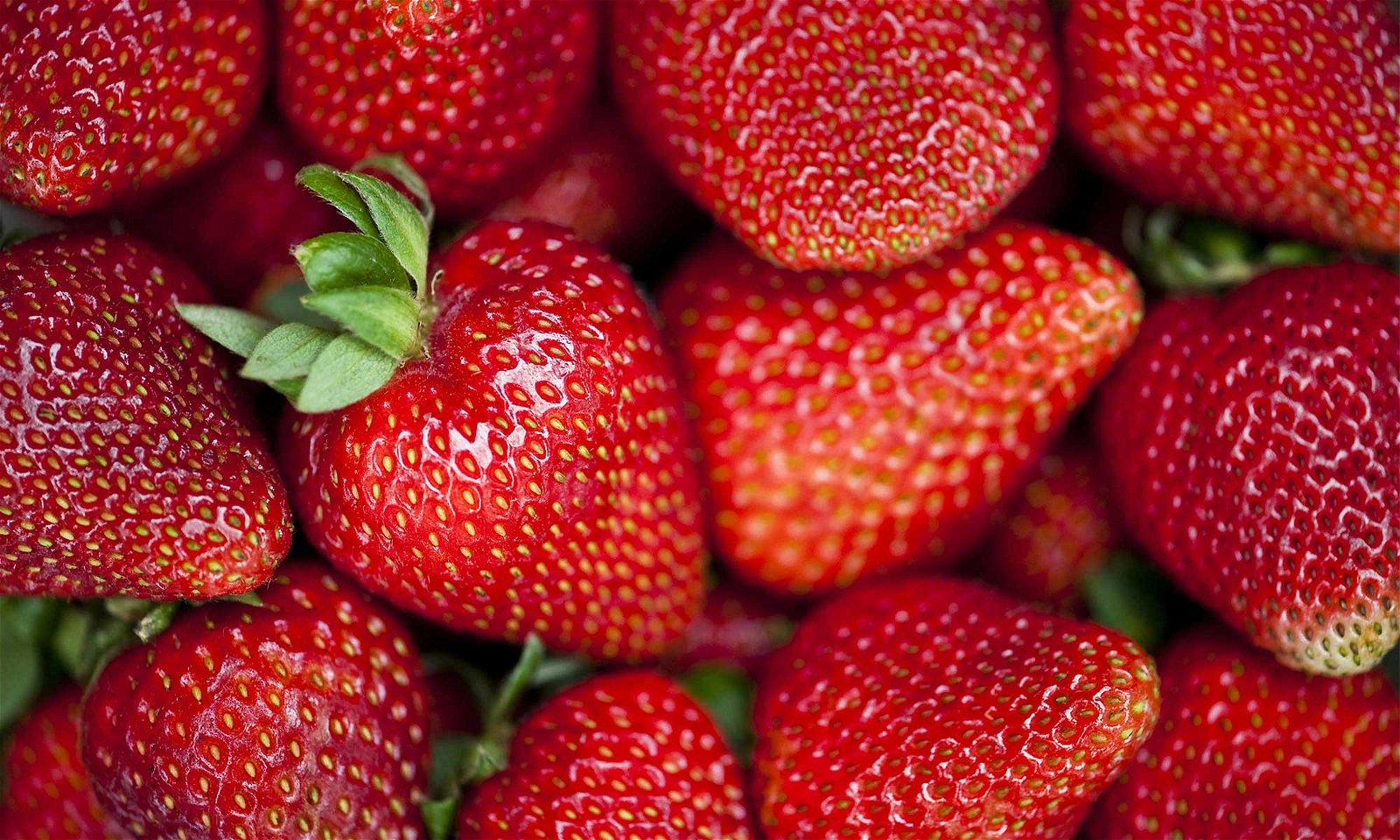
What is the Best Precursor Crop for Strawberries? What Crops Should You Avoid Planting Before Strawberries?

Strawberries🍓 have their “moods” – they grow and fruit better after certain crops and worse or even very poorly after others. Good predecessors for strawberries are annual leguminous plants (peas, beans, but also lupins, fava beans, and vetch), root vegetables (carrots, celery, parsley, beetroot);😊
Continue reading “What is the Best Precursor Crop for Strawberries? What Crops Should You Avoid Planting Before Strawberries?”

Strawberries in Winter – How to Protect Them from Frost? Proven Methods

Different varieties significantly differ in terms of their frost resistance or, more broadly, winter hardiness. Many of them have been known for years, and we know that they are excellently adapted to our climatic conditions. They rarely freeze, even in very harsh winters. However, in recent years, many varieties bred in countries with a warmer climate than ours have appeared on the seedling market.☀️
Continue reading “Strawberries in Winter – How to Protect Them from Frost? Proven Methods”

Which Strawberry Variety is the Best?

Ha, ha, ha 😂 How should I know?! Thousands of strawberry 🍓
varieties are cultivated worldwide, and here in Europe, dozens, if not hundreds. Why so many? The answer is simple – there is no one, single perfect variety, an unsurpassable model for all other varieties. Each has its advantages, but each (without exception) has its drawbacks. There are early varieties like <b>Vibrant</b> or <b>Honeoye</b>, and there are late ones like <b>Florence</b>. Which are better? There are very fruitful, attractive, and tasty varieties like <b>Elsanta</b>. But what good is that if their frost resistance or susceptibility to root system diseases is more than insufficient? There are very sweet, fruitful, and frost-resistant varieties, like the old, reliable <b>Senga Sengana</b>, but what good is that if it is very susceptible to gray mold (especially in rainy years), and its fruits are not durable?🧐

 The conclusion is this:

Continue reading “Which Strawberry Variety is the Best?”

Should You Cut Strawberry Leaves After Fruiting?

I assume the question concerns traditional, non-repeating varieties. Here we have two schools of thought. One says – cut back, the other – absolutely do not cut back. One thing is certain, if our strawberries look OK after the harvest, meaning there’s no significant disease or pest infestation (especially spider mites) visible on the leaves, the strawberries aren’t overly weedy, they seem to be in good condition and “have life in them”, then, in my opinion, cutting the leaves doesn’t make much sense.🙂
Continue reading “Should You Cut Strawberry Leaves After Fruiting?”

Chemical-Free Gardening: Natural Weed Control Methods for Strawberry Cultivation


On large production plantations, the standard for combating weeds is the use of herbicides. Unfortunately, many studies indicate that they are not indifferent to our health, which is why I advise against their use in amateur strawberry cultivation. Weeds, depending on the species, differ in the degree of nuisance. So-called spring ephemeral weeds rarely pose a serious problem, they can be easily pulled out or cut with a hoe and the matter is settled. However, the real challenge may be the so-called perennial weeds, such as couch grass, thistle, or horsetail. Here, pulling or hoeing will not help much, so they should be eliminated before planting strawberries because, in my opinion, planting strawberries in a place heavily “infested with couch grass” makes no sense. Continue reading “Chemical-Free Gardening: Natural Weed Control Methods for Strawberry Cultivation”

×